Onion
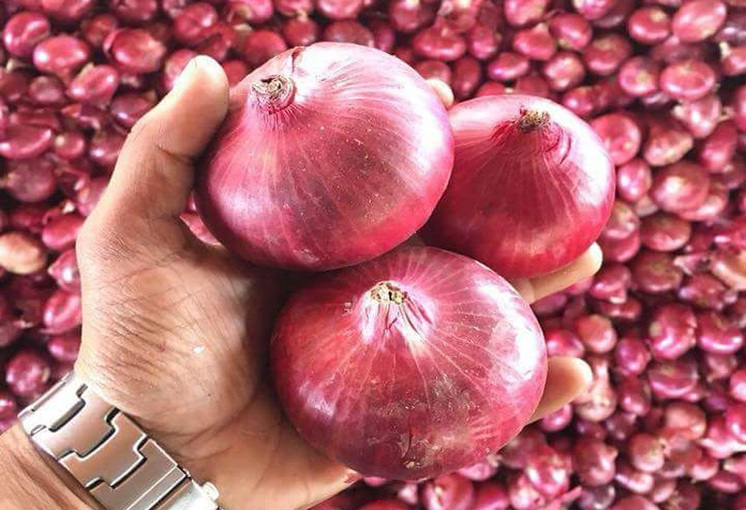
Onions (Allium cepa) are among the world’s oldest cultivated crops, valued not only for their pungent flavor but also for their complex biochemical makeup and cultural significance. Beneath their papery skin, onions contain sulfur-rich compounds—such as alliin and the enzyme alliinase—which react when the onion is cut, creating volatile chemicals that give its sharp aroma and cause eye irritation. These same compounds contribute to onions’ antimicrobial and antioxidant properties, which have made them important in traditional medicine for centuries. Onions develop through layered leaf bases that store carbohydrates, allowing the plant to survive periods of stress and giving the bulb its iconic concentric structure.
Their flavor varies by variety, soil composition, climate, and curing process, resulting in everything from sweet, mild bulbs like Vidalia to intensely sharp storage onions. Across cuisines, onions form the foundation of countless dishes, acting as both aromatic and textural components, and their global cultivation reflects their resilience, nutritional value, and deep historical roots in human agriculture.
Send an Enquiry