Ground Nut
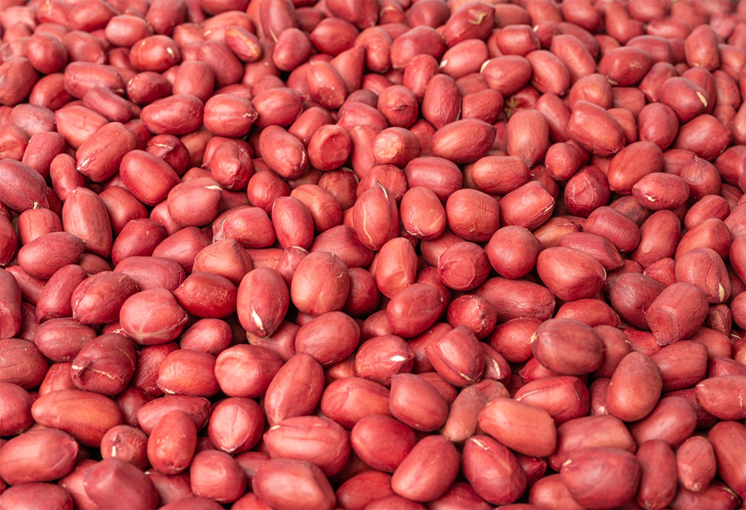
Groundnut (Arachis hypogaea), also known as peanut, is a unique legume that develops its pods underground through a process called geocarpy, where fertilized flowers form pegs that grow downward into the soil to mature the seeds. Originating in South America, groundnuts are now a globally important crop due to their high oil content—typically 40–50%—and protein richness, making them a critical food and economic resource in many tropical and subtropical regions. Nutritionally dense, groundnuts contain essential fatty acids, B-vitamins, vitamin E, and minerals such as magnesium, phosphorus, and potassium.
Their nitrogen-fixing ability enhances soil fertility by forming symbiotic relationships with Rhizobium bacteria, reducing the need for synthetic fertilizers. Groundnuts exist in several botanical types, including Virginia, Spanish, Runner, and Valencia, each suited to different climates and uses ranging from oil extraction to roasting and confectionery. Despite their value, they are susceptible to aflatoxin contamination by Aspergillus fungi under poor storage conditions, making proper drying and handling crucial. Economically, groundnuts support millions of smallholder farmers and fuel thriving industries in oil, snacks, and animal feed, underscoring their agricultural, nutritional, and commercial significance worldwide.
Send an Enquiry